Foolproof Golden Recipes for Celiac Disease Sufferers
Finding foolproof golden recipes for celiac disease sufferers felt impossible when I first got diagnosed six years ago. Everything was bland. Everything crumbled. Everything tasted like cardboard wearing a disguise. I burned through bad cookbooks, cried over failed bread loaves, and nearly gave up on enjoying food altogether. But I kept experimenting, kept tweaking, and eventually built a collection of recipes that genuinely taste incredible, without a single grain of gluten anywhere near them.
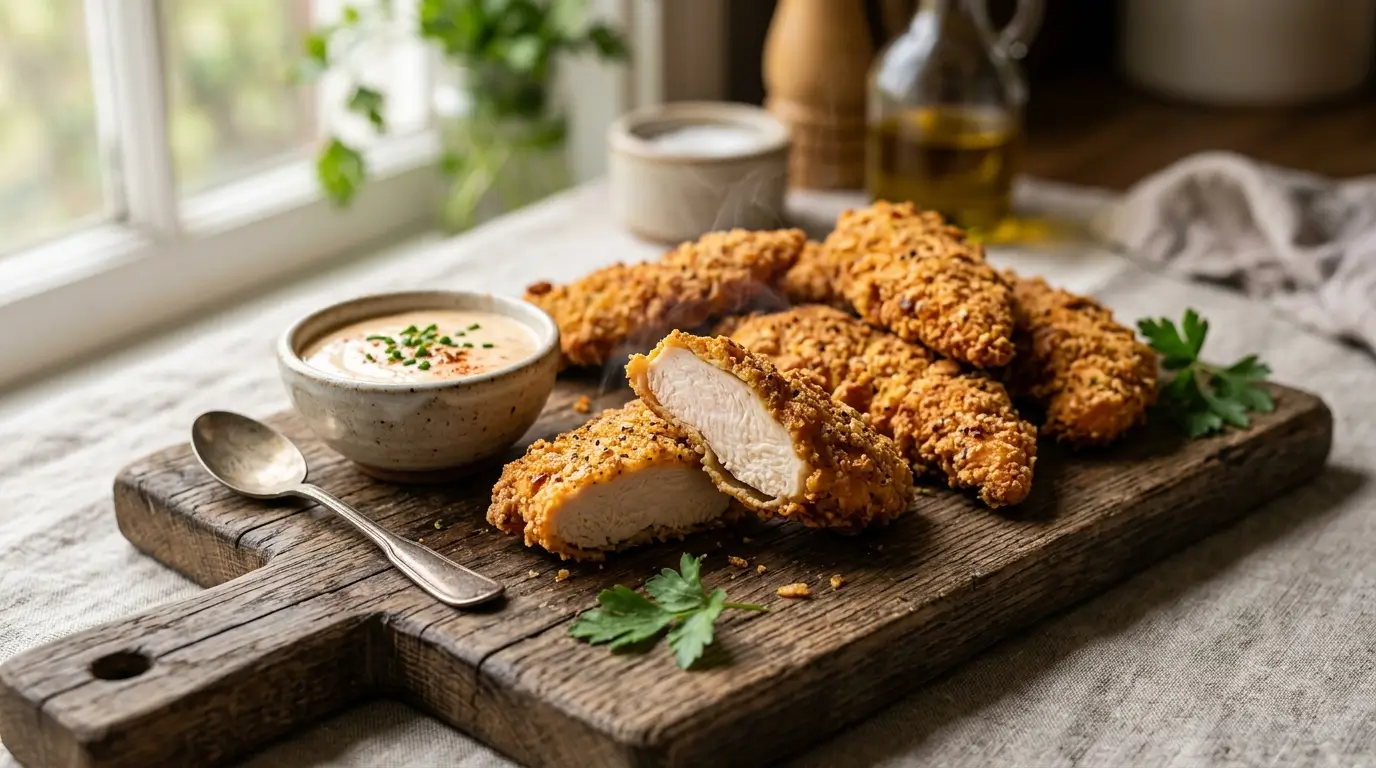
1. Crispy Golden Chicken Tenders with Almond Flour
These chicken tenders changed weeknight dinners for me permanently. The secret is using finely ground almond flour mixed with garlic powder, smoked paprika, and a pinch of cayenne. You get a coating that actually crisps up instead of going soggy five minutes after leaving the pan.
I dip the chicken strips in beaten egg first, then press them firmly into the almond flour mixture. Pan-fry them in avocado oil over medium-high heat for about four minutes per side. The outside gets this gorgeous golden crunch while the inside stays juicy. My kids eat these faster than I can cook them, and they have zero idea they’re gluten-free.
2. Golden Turmeric Rice with Roasted Vegetables
Turmeric rice is one of those dishes that looks like it took effort but barely requires any. I cook jasmine rice in chicken broth with a teaspoon of turmeric, half a teaspoon of cumin, and a clove of minced garlic. The color alone makes you feel like you’re eating something special.
While the rice cooks, I roast whatever vegetables I have on hand. Bell peppers, zucchini, and red onion are my go-to combo. Toss them with olive oil, salt, and pepper, then roast at 425°F for about 20 minutes. Pile the vegetables over the rice, squeeze fresh lemon on top, and you’ve got a naturally gluten-free meal that feels complete without any protein at all.
3. Foolproof Golden Recipes for Celiac Disease Sufferers: Classic Banana Pancakes
Three ingredients. That’s it. Two ripe bananas, three eggs, and a tablespoon of coconut flour. Mash the bananas until smooth, whisk in the eggs, fold in the coconut flour, and cook on a buttered skillet over medium-low heat. The lower heat matters here because these pancakes are more delicate than traditional ones.
I spent months trying complicated gluten-free pancake mixes before landing on this formula. The texture is soft and slightly custardy, not cakey like wheat pancakes, but honestly better in my opinion. Top them with fresh berries and a drizzle of maple syrup. They hold together, they taste great, and they take less than ten minutes from bowl to plate.
4. One-Pan Golden Baked Salmon
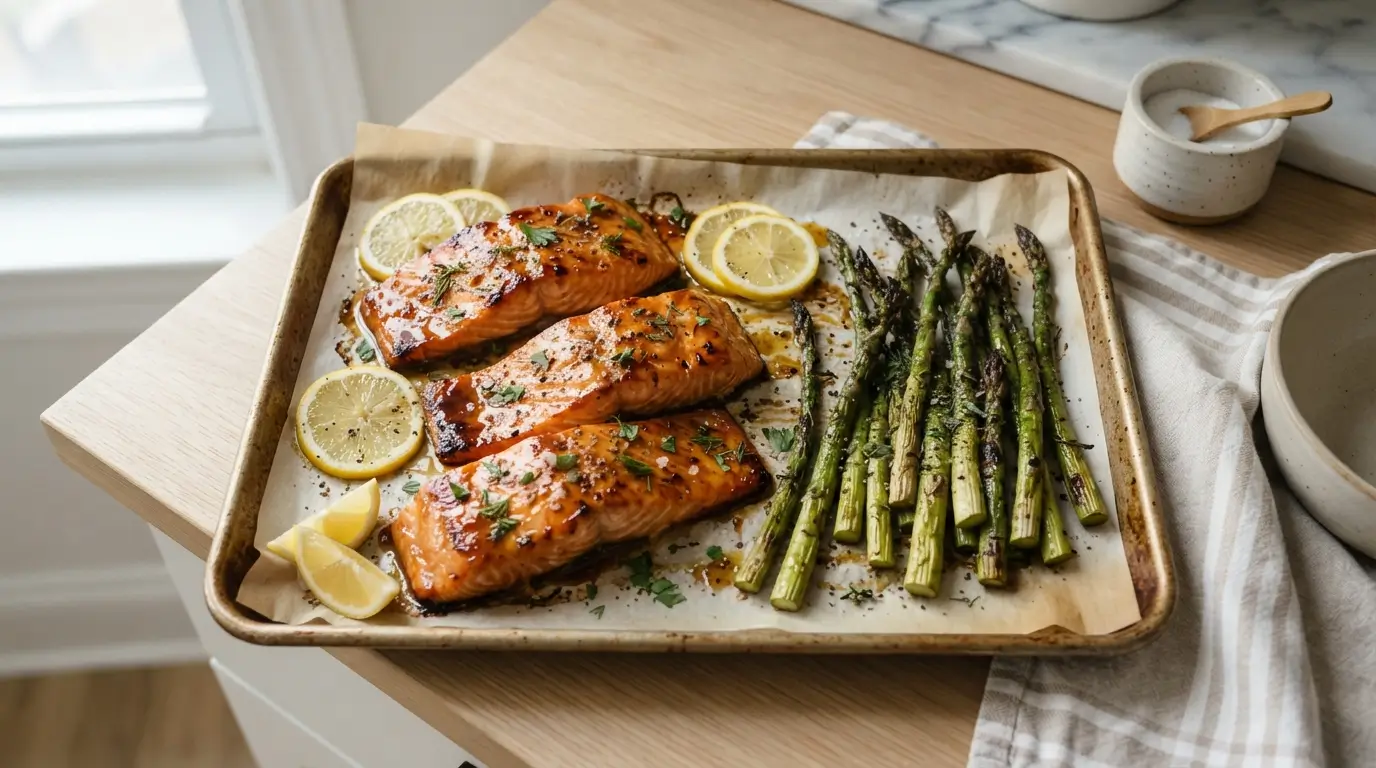
Salmon is naturally gluten-free, which already puts it in my good graces. But this particular preparation makes it foolproof for busy weeknights. I lay salmon fillets on a parchment-lined baking sheet, brush them with a mixture of Dijon mustard, honey, and a squeeze of lemon juice, then bake at 400°F for 12 to 15 minutes.
The honey-mustard glaze caramelizes into this beautiful golden crust that looks restaurant-worthy. I usually throw asparagus or green beans on the same pan, tossed with olive oil and salt, so everything cooks together. One pan, one mess, one incredibly satisfying dinner. Just make sure your Dijon mustard is certified gluten-free. Brands like Annie’s and Sir Kensington’s are safe picks.
5. Golden Cornbread Muffins
Cornbread was the first baked good I nailed after my diagnosis, and it gave me so much confidence. I use Bob’s Red Mill gluten-free cornmeal as the base, mixed with a bit of rice flour for structure. Add buttermilk, eggs, melted butter, honey, and a pinch of salt. Pour the batter into a greased muffin tin and bake at 375°F for 18 to 20 minutes.
These muffins come out with golden tops and a tender, slightly sweet crumb that pairs perfectly with chili, soup, or just eaten warm with butter. The muffin tin format works better than a cast iron skillet for gluten-free cornbread because the smaller portions hold their shape more reliably. I’ve brought these to potlucks and nobody ever guesses they’re gluten-free.
6. Creamy Golden Potato Soup
There’s something deeply comforting about potato soup, and this version requires zero flour-based thickener. I sauté diced onion and garlic in butter, add cubed Yukon Gold potatoes and chicken broth, then simmer until the potatoes are fork-tender. After that, I blend about half the soup with an immersion blender and stir it back in.
This trick gives you a creamy base with chunks of potato still throughout. Finish with a splash of heavy cream, salt, pepper, and a handful of shredded cheddar. Top each bowl with crispy bacon bits and chopped chives. It’s rich, it’s hearty, and it never once makes you think about what’s missing. This has become my most requested recipe among friends who don’t even have celiac disease.
7. Golden Honey Garlic Stir-Fry
Stir-fries are a celiac minefield because soy sauce contains wheat. The fix is simple: swap it for tamari. San-J makes a great certified gluten-free tamari that tastes even richer than regular soy sauce. I use it as the backbone of a honey garlic sauce with minced garlic, fresh ginger, honey, and a splash of rice vinegar.
Cook chicken thighs or shrimp in a hot wok with sesame oil, set them aside, then stir-fry broccoli, snap peas, and carrots. Pour the sauce over everything, toss it together, and serve over steamed rice. The sauce gets this glossy, golden coating on the protein and vegetables that looks and tastes like takeout. Fifteen minutes, start to finish. My weeknight survival recipe, honestly.
8. Flourless Chocolate Lava Cakes
Not every golden recipe needs to actually be gold-colored. These lava cakes earn their spot because the method is absolutely bulletproof. Melt dark chocolate and butter together, whisk in sugar and eggs, fold in a tiny bit of cocoa powder, pour into greased ramekins, and bake at 425°F for exactly 12 minutes.
The edges set while the center stays molten. Flip each ramekin onto a plate, tap the bottom, and the cake slides out with that dramatic lava flow in the middle. Use high-quality dark chocolate like Ghirardelli 60% cacao baking chips, which are labeled gluten-free. I make these for every birthday and dinner party. People literally don’t believe there’s no flour involved.
9. Golden Baked Falafel
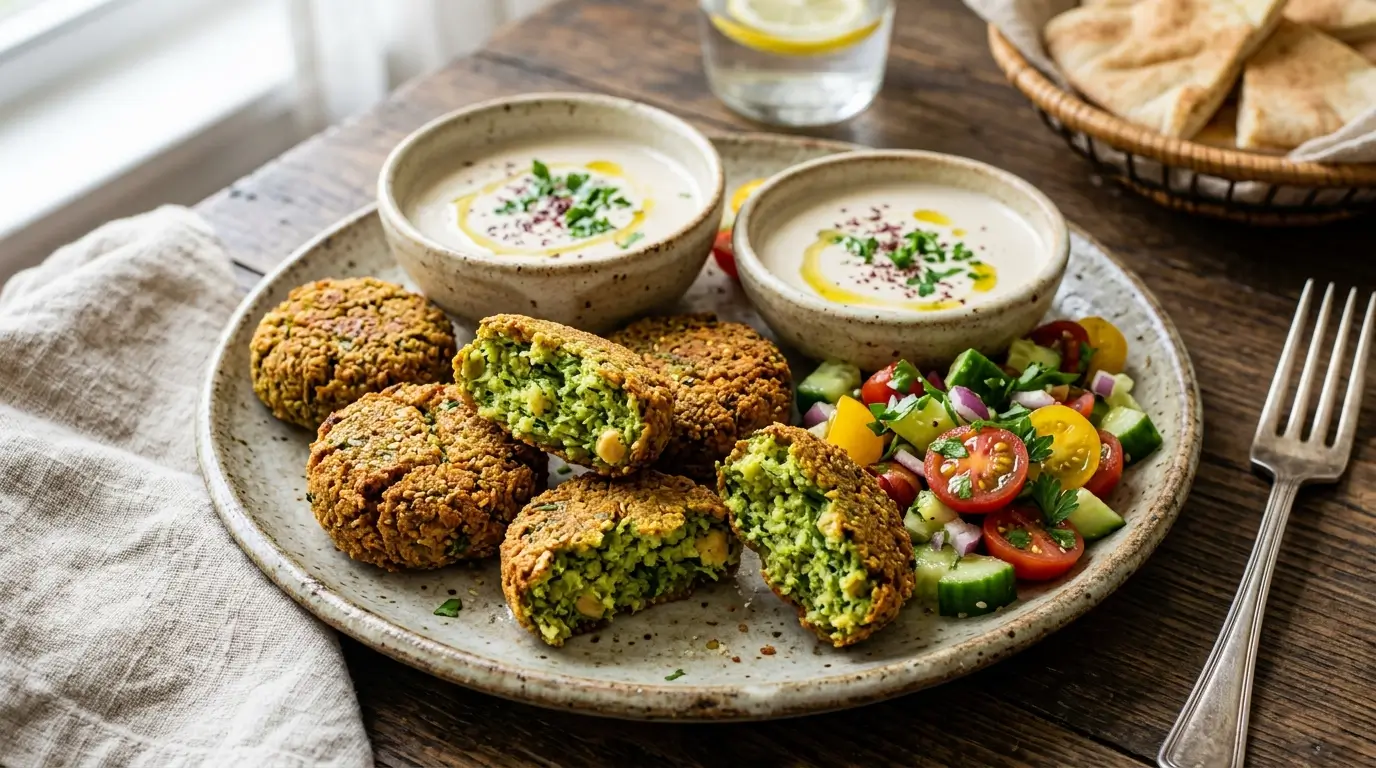
Traditional falafel uses chickpeas and no wheat flour, but many restaurants add breadcrumbs or fry them in shared oil. Making them at home removes all that risk. I pulse canned chickpeas in a food processor with fresh parsley, cilantro, cumin, coriander, garlic, and a squeeze of lemon. Form them into patties and bake on a parchment-lined sheet at 400°F for 25 minutes, flipping halfway through.
Baking instead of frying makes them easier and eliminates cross-contamination worries. They come out golden and crispy on the outside with a soft, herby center. Serve them in gluten-free wraps from Siete Foods or over a big salad with tahini drizzle. These are one of my favorite foolproof golden recipes for celiac disease sufferers because they’re just as good for meal prep as they are for dinner.
10. Simple Golden Granola
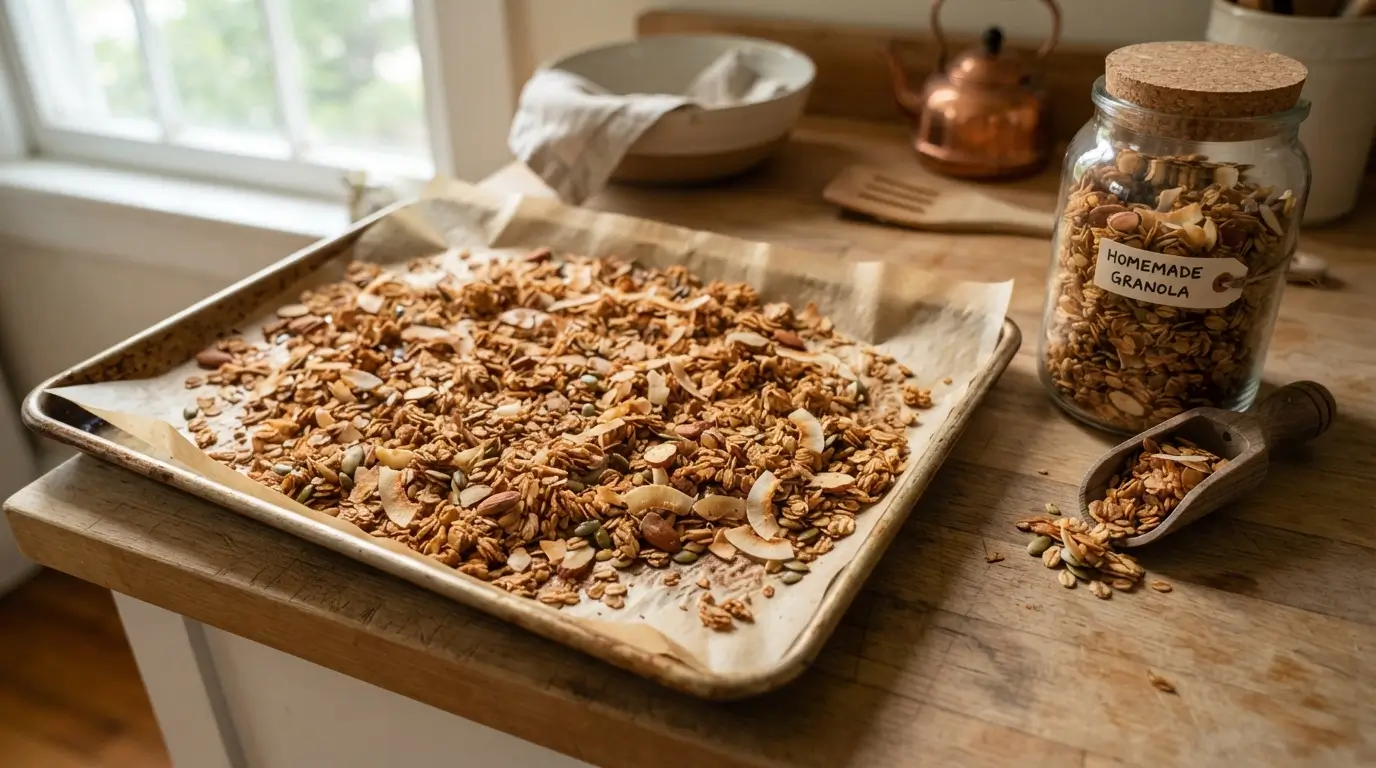
Store-bought granola is another hidden gluten trap. Oats themselves can be safe if they’re certified gluten-free, like the ones from GF Harvest or Bob’s Red Mill. I mix three cups of certified gluten-free rolled oats with sliced almonds, pepitas, coconut flakes, maple syrup, melted coconut oil, cinnamon, and a pinch of salt.
Spread the mixture on a baking sheet and bake at 325°F for 25 minutes, stirring once halfway. Let it cool completely on the pan before breaking it into clusters. It gets perfectly golden and crunchy, and you control every single ingredient that goes into it. I keep a big jar on my counter at all times. It goes on yogurt, smoothie bowls, or straight into my mouth by the handful.
Frequently Asked Questions
What makes a recipe truly foolproof for someone with celiac disease?
A genuinely foolproof recipe for celiac disease uses naturally gluten-free ingredients rather than relying on complicated substitution blends. It should taste great on its own merits, not just “good for gluten-free.” I also look for recipes with simple techniques that don’t require specialty equipment or hard-to-find ingredients, so there’s less room for error.
Can I trust “gluten-free” labels on packaged ingredients?
In the United States, the FDA requires products labeled gluten-free to contain fewer than 20 parts per million of gluten. That’s generally safe for most celiac patients. However, I always look for “certified gluten-free” seals from organizations like GFCO, which test to even stricter standards. When in doubt, contact the manufacturer directly.
Are these golden recipes safe for people with other food allergies?
Several of these recipes are naturally dairy-free or nut-free, but not all of them. The banana pancakes, stir-fry, and baked salmon can easily work without common allergens. If you have multiple allergies, read each recipe carefully and swap ingredients as needed. Coconut oil works for butter, and sunflower seed flour can replace almond flour in most cases.
What’s the biggest mistake beginners make with celiac-friendly cooking?
Cross-contamination. You can use perfectly gluten-free ingredients and still get sick if your cutting board, colander, or toaster has gluten residue on it. I keep a dedicated set of wooden spoons and a separate toaster in my kitchen. It sounds extreme, but it made a massive difference in how I felt day to day after my diagnosis.
Do these foolproof golden recipes for celiac disease sufferers work for kids?
Absolutely. My two kids eat every single one of these recipes regularly, and they’re picky eaters by nature. The chicken tenders, pancakes, and granola are especially popular. Kids care about taste and texture, not ingredient lists, and these recipes deliver on both. I’ve never had to make a separate “kid version” of any of them.
Is oat-based granola really safe for celiac disease?
Regular oats are frequently cross-contaminated with wheat during growing and processing. Only oats specifically labeled “certified gluten-free” are considered safe for people with celiac disease. Some celiac patients still react to a protein in oats called avenin, so introduce them slowly and pay attention to how your body responds over a few weeks.
Conclusion
Cooking with celiac disease stopped feeling like a punishment once I found recipes that actually worked every single time. These are the meals I rotate through my real kitchen, not theoretical dishes I pulled from a textbook. What’s your go-to gluten-free recipe that never lets you down?